Every student who walks into a dojo for the first time feels it — that small voice whispering, “You are not ready.” But those who stay, who breathe through the discomfort and return the next day, begin to transform that fear into fuel. That transformation is the essence of mental resilience martial arts training.
Fear is not your enemy, it is your teacher
In martial arts, fear shows up everywhere — the fear of getting hit, the fear of failing in front of others, the fear of exhaustion. Yet these fears carry lessons. They show where your edges are. Facing them sharpens courage and builds character. Each time you confront fear on the mat, you are teaching your body and mind to stay composed in chaos.
Overcoming fear in training begins with acceptance. You do not fight fear by ignoring it. You use it as a tool to develop sharper awareness. When your body tenses, when your breath shortens, when your thoughts scatter, that is your signal to slow down and return to your rhythm. Every time you regain control, you strengthen your inner calm.
How martial arts rewires your brain for confidence
Every repetition in martial arts is a mental rep as much as a physical one. When you repeat a movement thousands of times, your brain learns trust — trust in your reaction, trust in your timing, trust in your preparation. That process builds confidence through martial arts far deeper than external praise ever could.
True confidence is quiet. It does not come from being the loudest fighter or the most aggressive competitor. It grows from competence and the calm knowledge that you can handle whatever comes next.
Building emotional control through repetition
Every class is a mirror. When a partner pushes you, your emotions surface. Maybe you tighten up. Maybe you overreact. But instead of avoiding that feeling, you learn to breathe through it. That habit of pausing instead of reacting builds lasting martial arts self-discipline.
Emotional control is not about suppression. It is about channeling energy in a useful direction. The best martial artists are not emotionless; they are composed. They feel everything — fear, excitement, frustration — and still act with clarity.
A method you can practice today
Next time you spar or drill, focus on this simple rule:
Notice your emotions, name them, breathe, and reset.
The ability to reset quickly is what separates a fighter who grows from one who burns out.
Turning pain into persistence
Martial arts teaches that progress rarely feels comfortable. Muscles ache. Egos bruise. You lose rounds to people you think you should beat. Those moments are where resilience lives.
Mental resilience martial arts comes from exposure, not avoidance. You stay, you adapt, you refine. Over time, pain loses its ability to scare you. It becomes familiar — not pleasant, but useful. You begin to see every hard round as a lesson in staying steady under pressure.
This pattern translates outside the dojo too. When life gets chaotic, you already have a blueprint: stay calm, breathe, reset, and act with precision.
The science behind martial arts resilience
Modern neuroscience supports what masters have known for centuries. Repeated exposure to stress in a controlled environment builds neural pathways that regulate fear responses. When you experience intensity, your brain learns to stay balanced instead of reacting impulsively.
That is why martial artists often show high emotional stability outside training. The same mechanisms that help you stay focused during sparring help you remain composed during real-life challenges.
Consistency is what makes it stick. You cannot think your way into resilience; you must train it through experience.
From self-doubt to self-belief
Everyone who trains long enough goes through doubt. You might question your skill, your pace of improvement, or even your purpose. These doubts are normal. The secret is to treat them like sparring partners — not enemies, just challenges to work with.
When you keep showing up despite uncertainty, you are proving to yourself that belief is an action, not a mood. Every class you complete when you feel off strengthens your warrior mindset. You start understanding that courage is not about having no fear. It is about walking forward even while fear walks beside you.
The warrior mindset in daily life
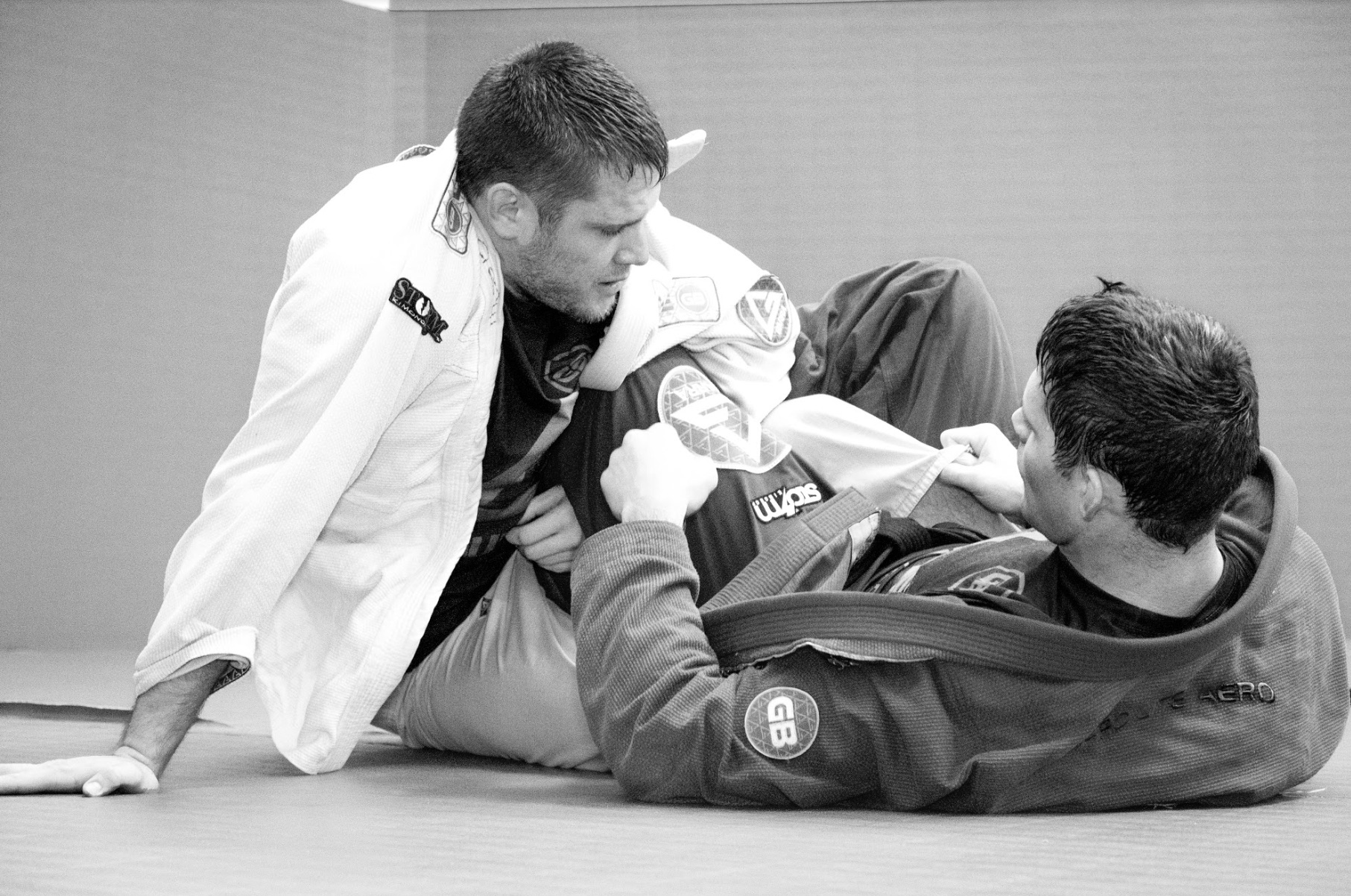
Martial arts training quietly changes how you respond to daily stress. The discipline that keeps you drilling basics also helps you finish projects at work. The patience you learn while perfecting a kick shows up in how you handle conflict at home.
That is the heart of the warrior mindset — stability under pressure and clarity under chaos. It is not about violence or domination. It is about balance and control in a world that often lacks both.
How to keep growing when fear returns
Even advanced practitioners feel fear. Before big competitions, before testing for a new belt, or after returning from injury, that old voice can come back. The key difference is that now you have tools.
When fear appears, acknowledge it. Prepare logically. Train consistently. And remind yourself that courage is a process, not a destination.
Use routines to anchor yourself: visualization before training, controlled breathing between rounds, gratitude journaling after class. These small habits train your brain to associate effort with calm.
Final thought: from fear to focus
Fear will always exist. The question is whether it will control you or serve you.
Martial arts gives you a structure where fear becomes feedback, discipline becomes automatic, and confidence becomes quiet strength. That is the journey of mental resilience martial arts — to stay calm when others panic, to stay patient when others rush, and to move with purpose when the world feels chaotic.
Every drop of sweat, every lost round, every moment of doubt is a lesson in endurance. Keep training, keep breathing, and keep building that quiet, unstoppable focus that defines a true martial artist.