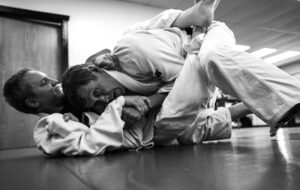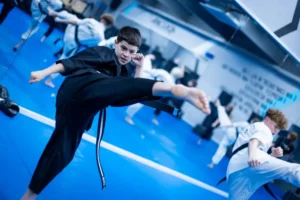
Most beginners believe martial arts success comes from learning techniques as fast as possible. They focus on kicks, punches, submissions, and combinations. Technique matters, but it is not what determines whether someone lasts six weeks or six years. What truly decides that outcome is the beginner martial arts mindset.
Every dojo is filled with people who were physically talented but mentally unprepared. They quit after frustration, comparison, or slow progress. The beginners who stay are not always the strongest. They are the ones who arrive with the right expectations and a willingness to learn patiently.
This article explains why mindset comes before skill, how beginners can mentally prepare for training, and how to build confidence without rushing the process.
The biggest mistake beginners make on day one
Most newcomers walk into training carrying unrealistic expectations. They want quick results. They want visible improvement. They want to feel capable immediately. Martial arts does not work that way.
When beginners do not see instant progress, frustration creeps in. They compare themselves to advanced students. They judge their own performance harshly. Without a solid mental preparation for training, many quit before their body and mind even adapt.
A strong mindset shifts the goal. Instead of asking, “Am I good yet?” you start asking, “Did I show up and learn something today?” That shift keeps you moving forward when progress feels slow.
Why mindset matters more than talent at the beginning
Talent can help you learn faster, but it cannot keep you consistent. Consistency is everything in martial arts for beginners.
A strong mindset teaches you three essential lessons early:
Progress is not linear
Some days you feel sharp. Other days everything feels off. This is normal. Beginners who accept this stay calm instead of discouraged.
Discomfort is part of growth
Soreness, confusion, and mental fatigue are signs of adaptation. They are not warnings to stop.
Patience beats intensity
Training hard once a week does less than training steadily twice a week for months.
These lessons protect beginners from burnout and frustration.
Building confidence without ego
Confidence is often misunderstood. Beginners think confidence means winning rounds or outperforming others. In reality, true confidence grows from effort and honesty.
Self confidence building in martial arts comes from small wins:
- Showing up on days you feel unsure
- Asking questions without embarrassment
- Accepting correction without taking it personally
When beginners focus on learning instead of proving themselves, confidence becomes stable. Ego-driven confidence collapses under pressure. Skill-based confidence lasts.
The role of patience in the starting phase
Patience is the beginner’s greatest weapon. Unfortunately, it is rarely taught directly.
In the early stages of the starting martial arts journey, your nervous system is learning entirely new patterns. Movements feel awkward. Timing feels off. Coordination lags behind intention. This phase cannot be rushed.
A strong beginner mindset accepts being bad at something new. That acceptance removes pressure and allows learning to happen naturally.
When you stop fighting the learning curve, your progress accelerates.
How mindset protects beginners from comparison
Comparison destroys beginners faster than injury. Watching advanced students can inspire, but it can also discourage.
A healthy beginner martial arts mindset reframes comparison:
- Advanced students are future versions of you
- Everyone started where you are
- Progress comes from time, not shortcuts
When you compare yourself only to yesterday’s version of yourself, training becomes sustainable.

Discipline begins before technique
Discipline does not start with complex drills. It starts with habits.
Beginners who build simple routines early develop momentum:
- Packing gear the night before
- Arriving early to warm up
- Reflecting briefly after class
These habits strengthen mental preparation for training and remove excuses. Over time, discipline becomes automatic rather than forced.
This is where many beginners fail. They wait to feel motivated. Martial arts rewards those who train even when motivation fades.
Emotional control for beginners
Training brings emotional challenges. Beginners experience embarrassment, frustration, and fear of failure. These emotions are part of growth.
Learning emotional control early prevents discouragement. When you miss a technique or lose a round, the goal is not perfection. The goal is recovery.
A calm response builds resilience. Overreaction builds stress. Martial arts teaches this lesson naturally when beginners allow it to.
Why quitting early feels tempting and how mindset prevents it
Most beginners quit during the same window. The excitement fades, the soreness remains, and progress feels slow. Without the right mindset, training feels unrewarding.
A strong mindset reframes this phase as necessary. This is when habits are forming. This is when discipline is tested. Those who push through this stage often experience a breakthrough shortly after.
Understanding this pattern keeps beginners training when it matters most.
Carrying the beginner mindset long term
Ironically, the best martial artists never lose their beginner mindset. They stay curious. They stay humble. They stay open to correction.
For beginners, adopting this mindset early sets the tone for years of growth. You stop chasing belts and start building skills. You stop proving and start learning.
That is the foundation of long term mastery.
Final thought: start with the mind, not the move
Technique will come. Strength will follow. Timing will sharpen. But none of it matters if you quit early.
A strong beginner martial arts mindset keeps you consistent, grounded, and patient. It teaches you how to learn, how to struggle productively, and how to stay when training feels uncomfortable.
If you are at the beginning of your journey, focus less on looking skilled and more on showing up honestly. That mindset will take you further than any technique ever could.